
Concept
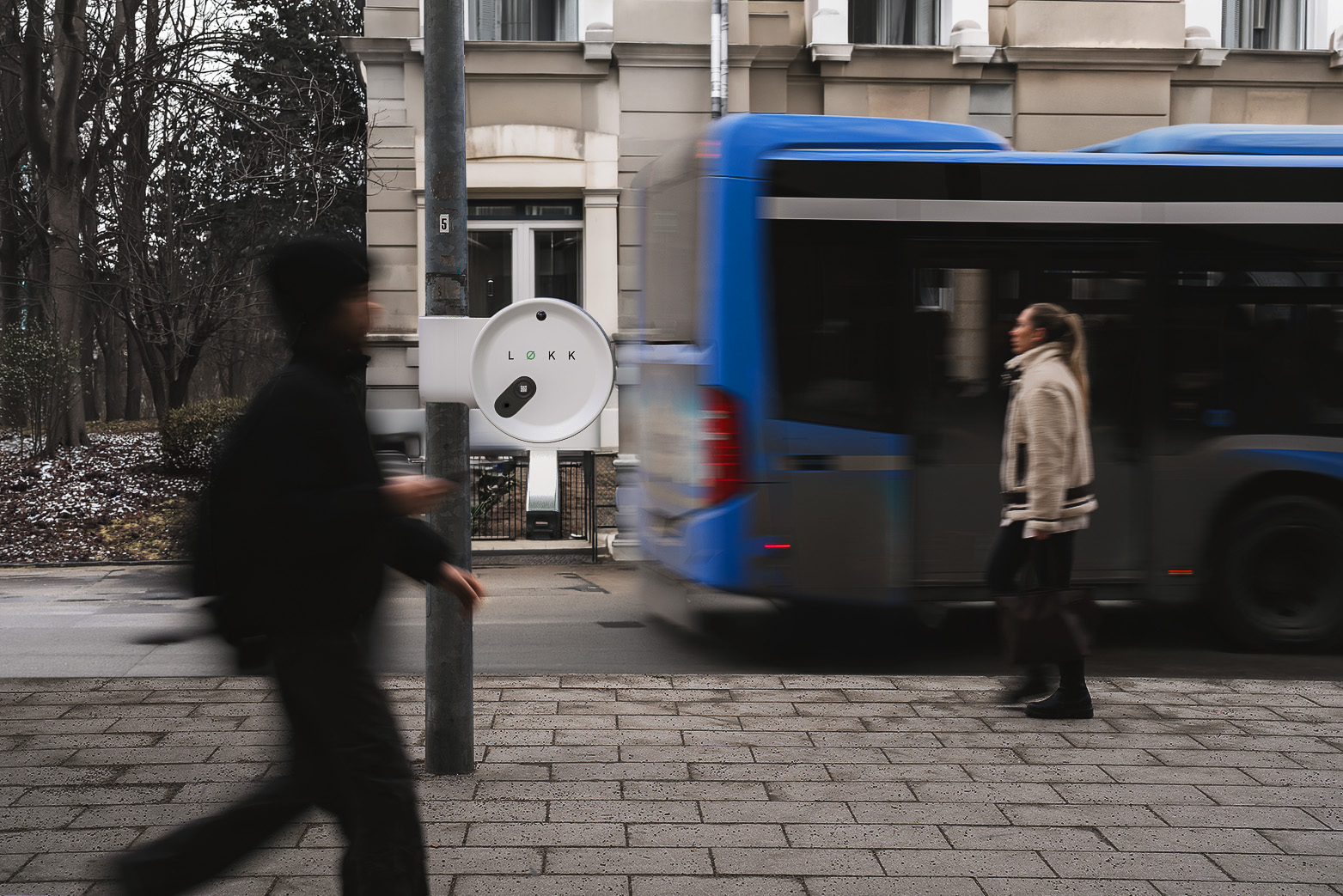
LØKK rethinks bicycle security as part of urban infrastructure, transforming everyday parking into a seamless and reliable experience.
Instead of treating bike locking as an individual responsibility, the concept introduces a connected system that integrates directly into the city. A smart, stationary locking module combined with a mobile interface enables secure parking exactly where it is needed.
Instead of treating bike locking as an individual responsibility, the concept introduces a connected system that integrates directly into the city. A smart, stationary locking module combined with a mobile interface enables secure parking exactly where it is needed.
Through a guided interaction flow, real-time feedback, and an integrated alarm system, LØKK creates transparency and builds trust during the entire locking process. By merging physical and digital design into one coherent experience, the project addresses key barriers to urban cycling especially the fear of theft and the lack of convenient, reliable parking solutions.
Question Zero
How might we design a seamless system that combines physical and digital elements to make bicycle parking intuitive, secure, and trustworthy?
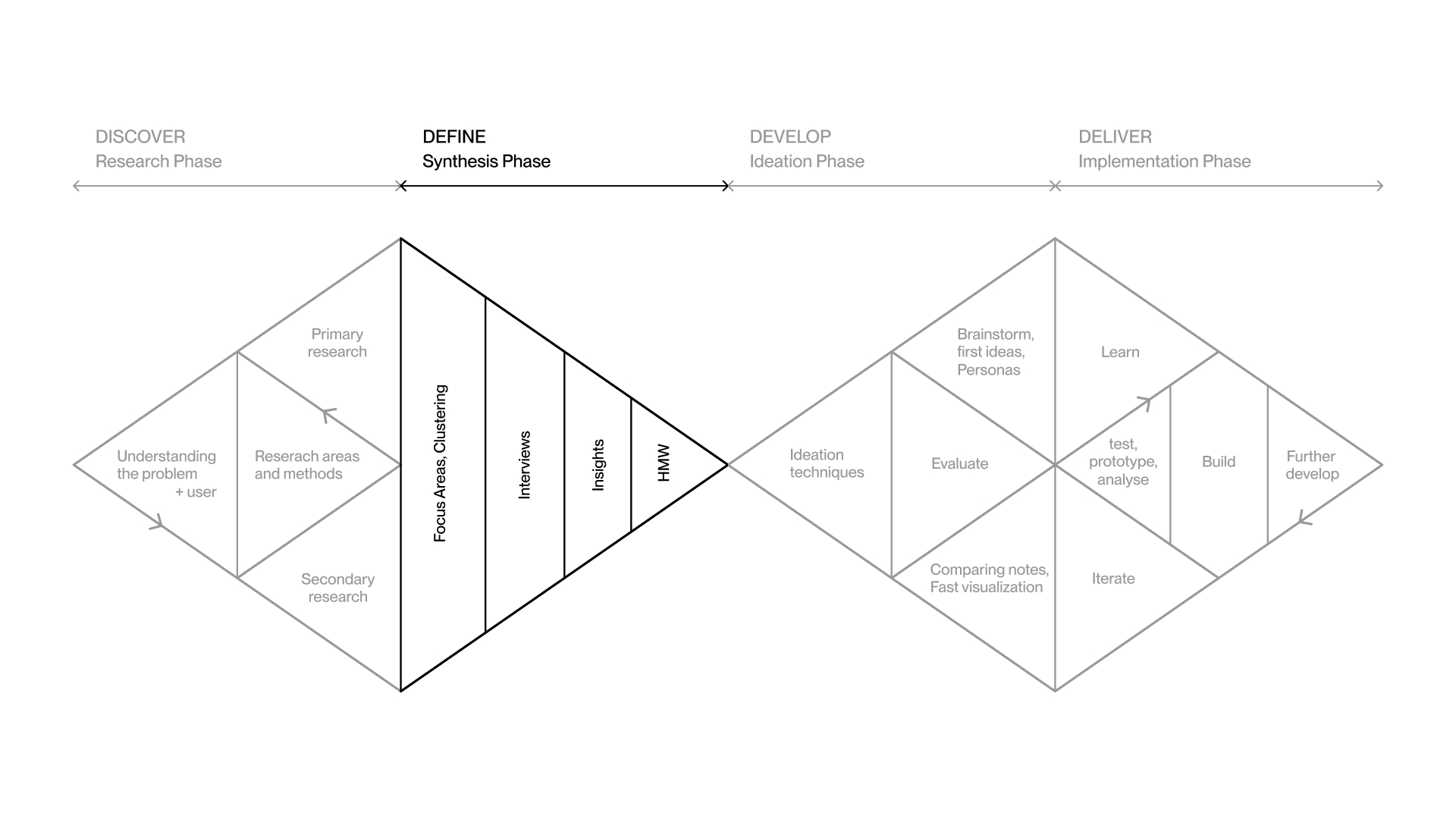
The project followed a user-centered design approach based on the Double Diamond framework.
Starting with broad exploration and research, insights were synthesized into a clear problem definition, which guided the development and iterative refinement of the final concept.
Starting with broad exploration and research, insights were synthesized into a clear problem definition, which guided the development and iterative refinement of the final concept.
Research
Double Diamond framework
Synthesizing research into key insights
Synthesis
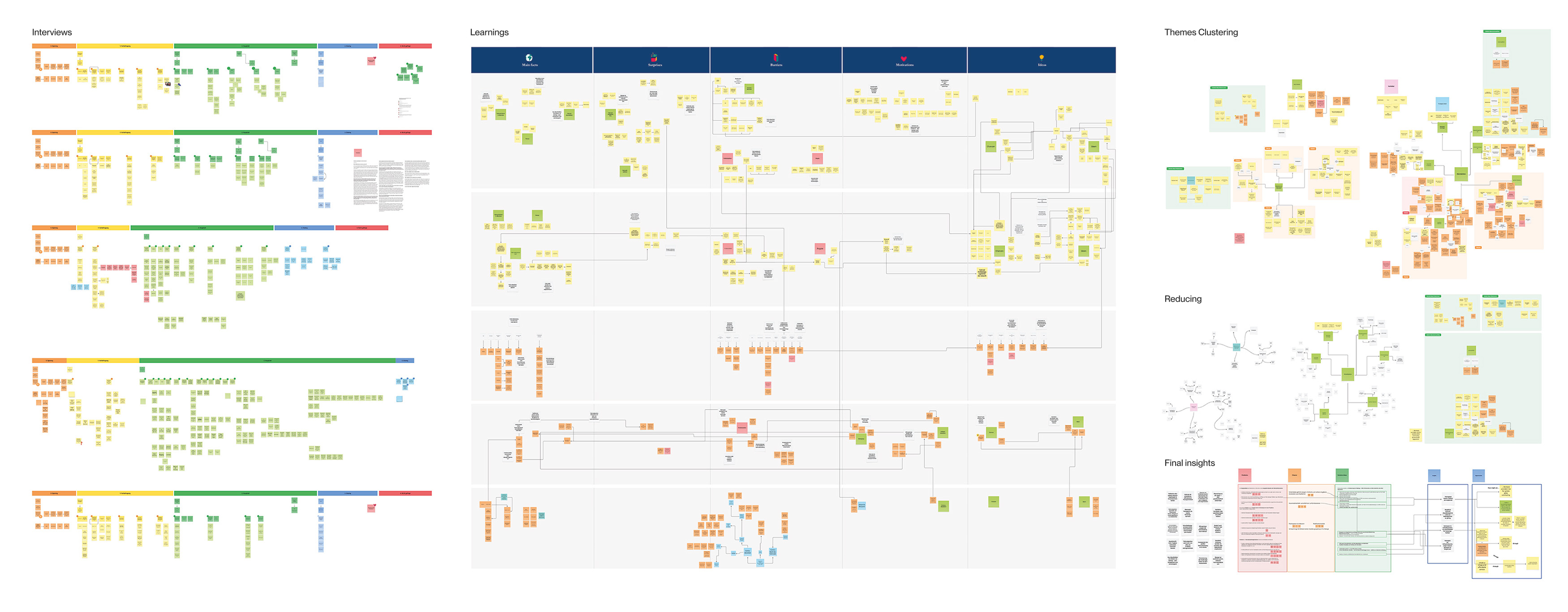
Our research framed bicycle parking as a systemic urban challenge. While the project later evolved into the question of how physical and digital elements can form one seamless system, the initial design direction emerged from a more concrete challenge:
how to design parking spaces for commuters in strategic inner-city locations in Munich so that more people choose to cycle to work.
how to design parking spaces for commuters in strategic inner-city locations in Munich so that more people choose to cycle to work.
User Journey
LØKK is not just a product, but a continuous experience that connects physical infrastructure and digital interaction.
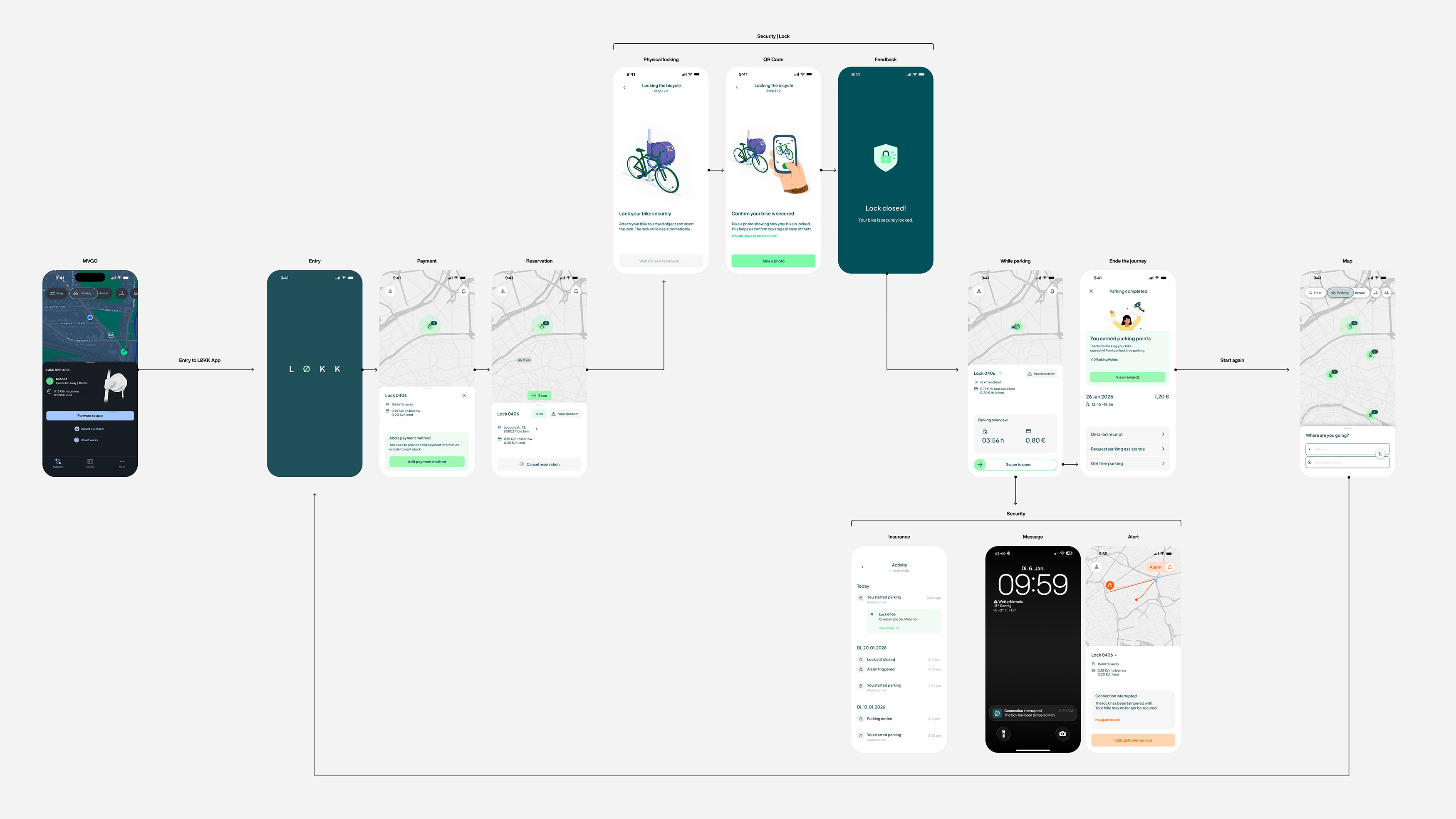
The following journey illustrates how users are guided through the process from finding a station to securely locking and unlocking their bike.
The following journey illustrates how users are guided through the process from finding a station to securely locking and unlocking their bike.

Find and reserve a nearby LØKK station also via MVGO
Reserving a lock ensures availability at the destination and reduces uncertainty during the journey
Locking the bike is supported by a guided interaction that reduces uncertainty and ensures correct usage
End of the journey
Screenflow
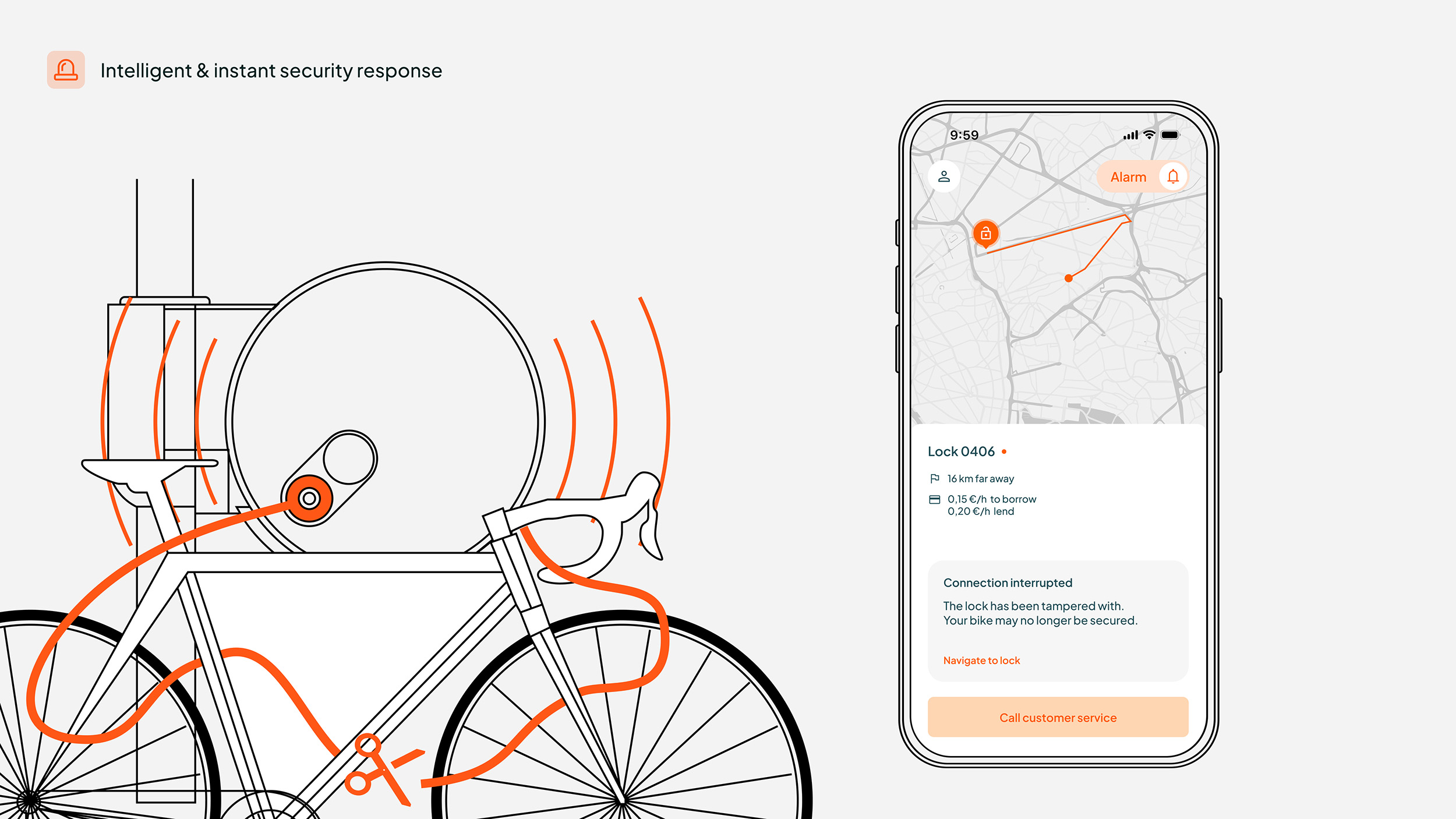
Security feadtures
How can bicycle security move from passive protection to an active and responsive system?
While LØKK is engineered for maximum physical security, no locking system can ever be completely theft-proof. Instead of relying solely on prevention, the system actively detects and responds to potential threats in real time.
The lock continuously monitors its integrity and immediately detects breaches such as a cut chain. In response, a loud alarm and flashing red light create instant visibility and social pressure to deter theft.
At the same time, the user receives a real-time notification, enabling immediate awareness and reaction. In parallel, an integrated camera captures the incident and uploads footage to secure servers for verification and further action.
By combining physical deterrence with real-time communication, LØKK transforms bicycle security into an active and responsive system.
The lock continuously monitors its integrity and immediately detects breaches such as a cut chain. In response, a loud alarm and flashing red light create instant visibility and social pressure to deter theft.
At the same time, the user receives a real-time notification, enabling immediate awareness and reaction. In parallel, an integrated camera captures the incident and uploads footage to secure servers for verification and further action.
By combining physical deterrence with real-time communication, LØKK transforms bicycle security into an active and responsive system.
Evaluating the concept
To evaluate the concept, we explored how users interact with the system in a realistic context, focusing on clarity, usability, and perceived security.
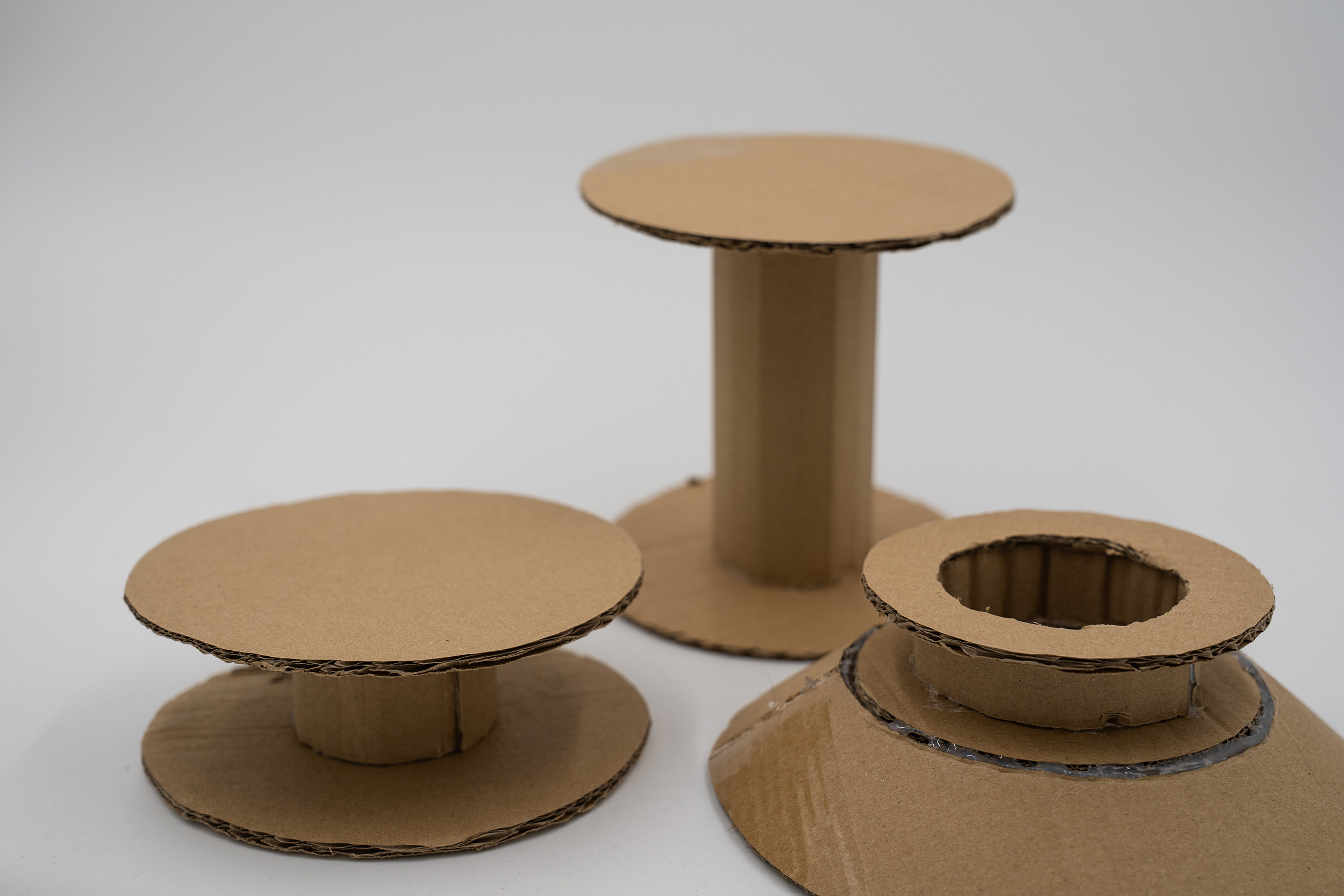
The concept was tested through a combination of physical and digital prototypes, including paper prototypes and functional implementations using Arduino and ProtoPie to simulate real interaction scenarios.
The concept was tested through a combination of physical and digital prototypes, including paper prototypes and functional implementations using Arduino and ProtoPie to simulate real interaction scenarios.
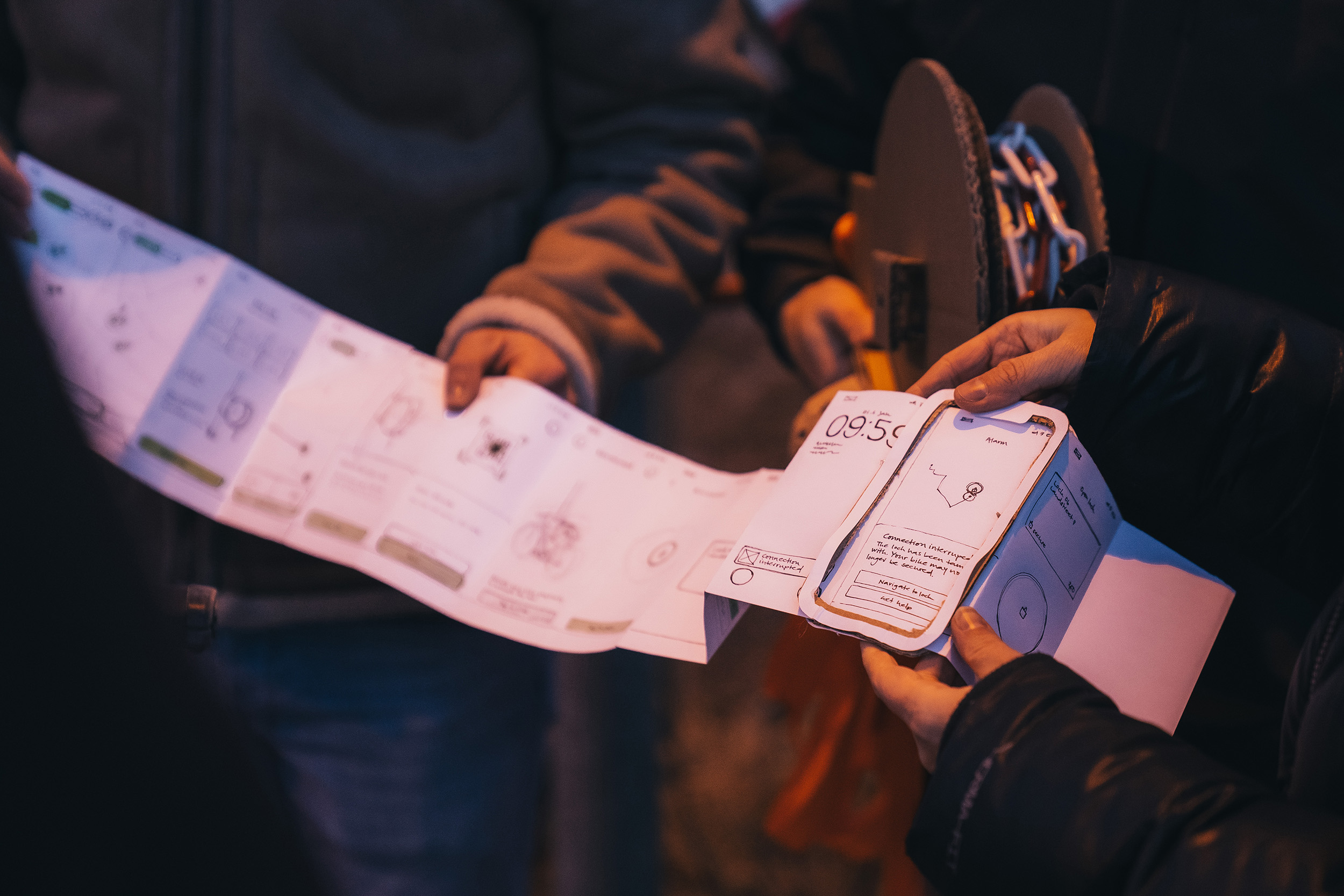
Testing with a paper prototype
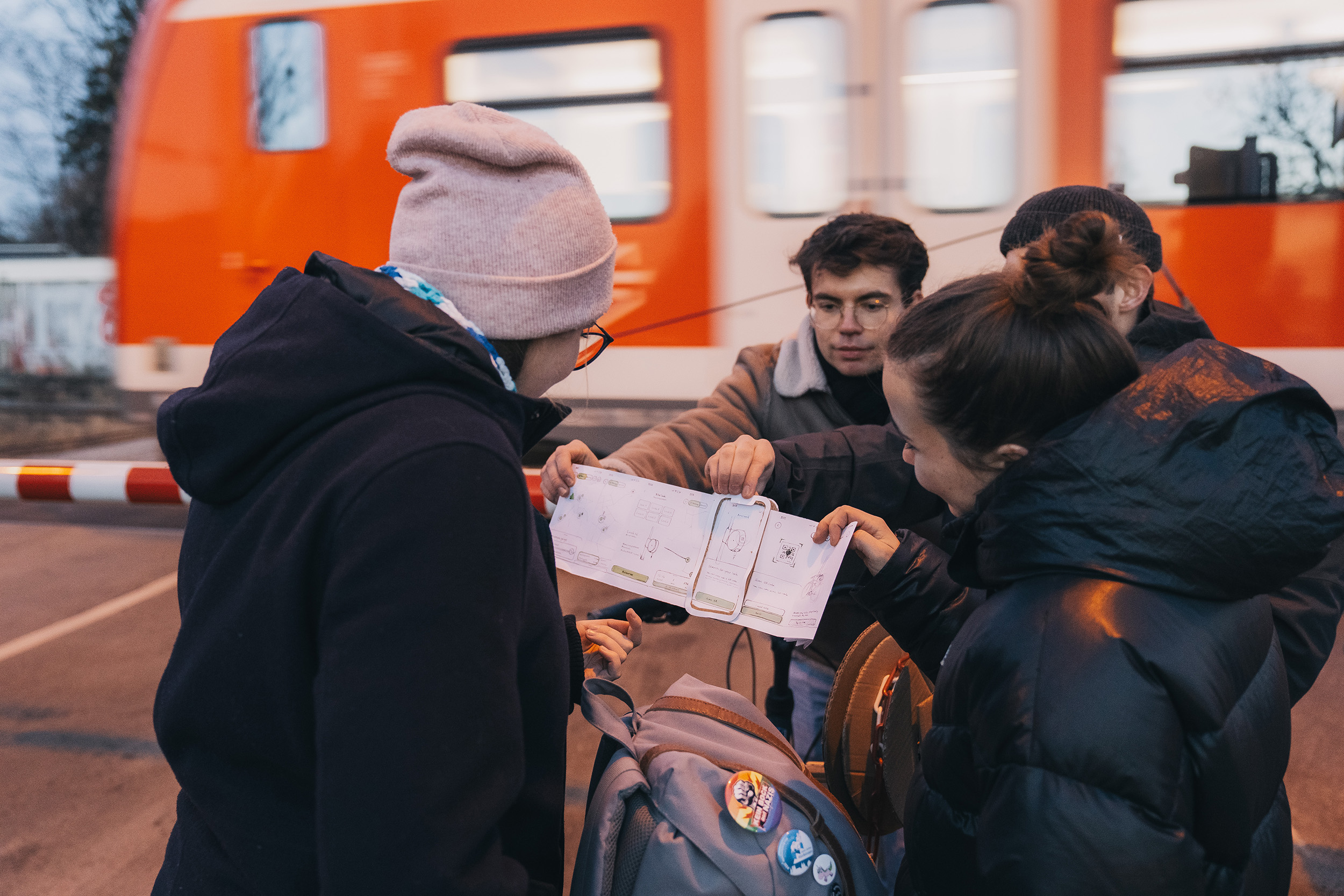
Testing in a real-world context with passing cyclists
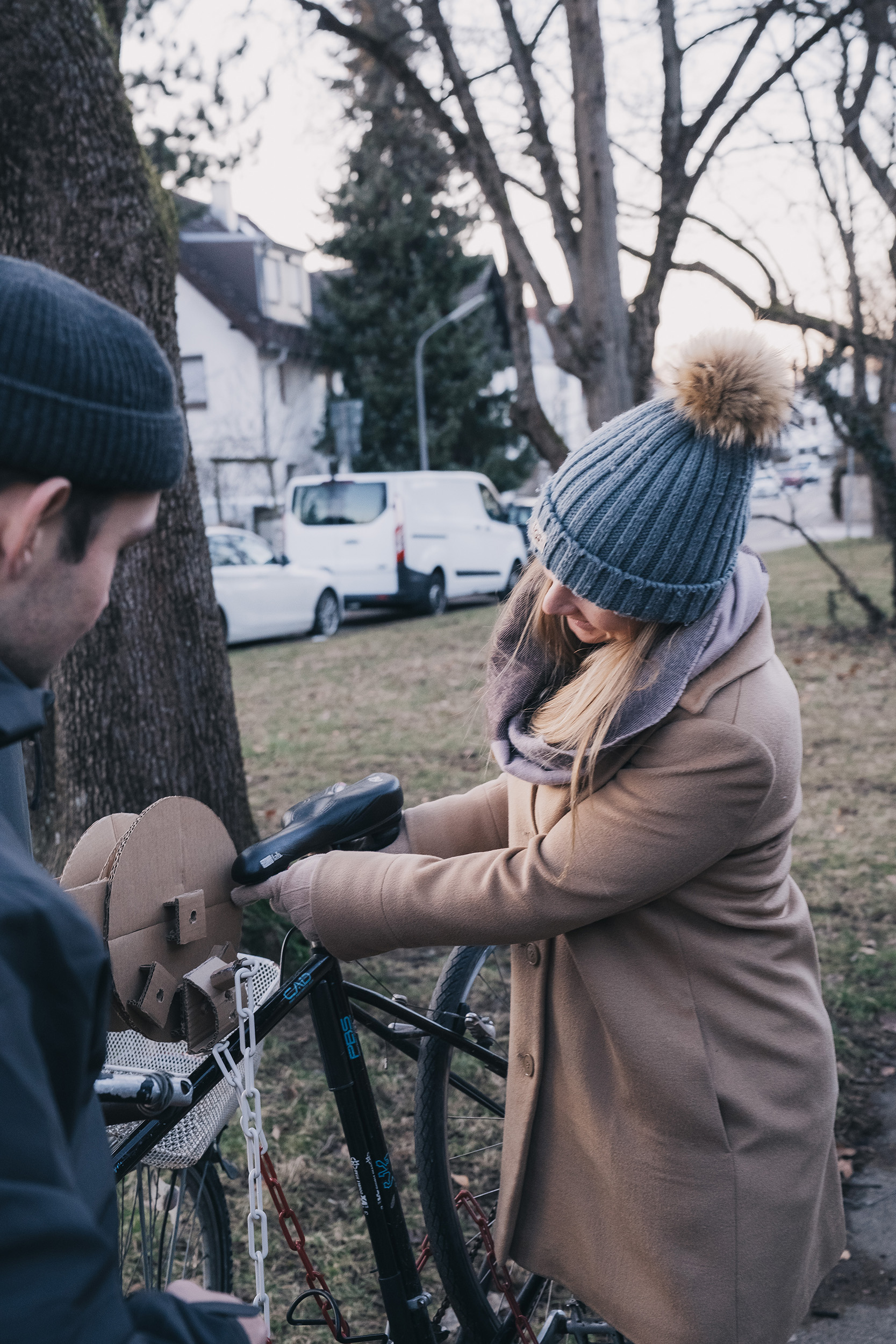
Testing the positioning of the locks
.jpg)
Cardboard prototype of LØKK
Bringing the system to life
To validate the interaction in a realistic way, we translated the concept into a functional prototype connecting the digital interface with the physical system.
Using ProtoPie and Arduino, we simulated real-time communication between app and hardware, allowing us to test feedback, system states, the alarm logic and interaction logic.
Using ProtoPie and Arduino, we simulated real-time communication between app and hardware, allowing us to test feedback, system states, the alarm logic and interaction logic.
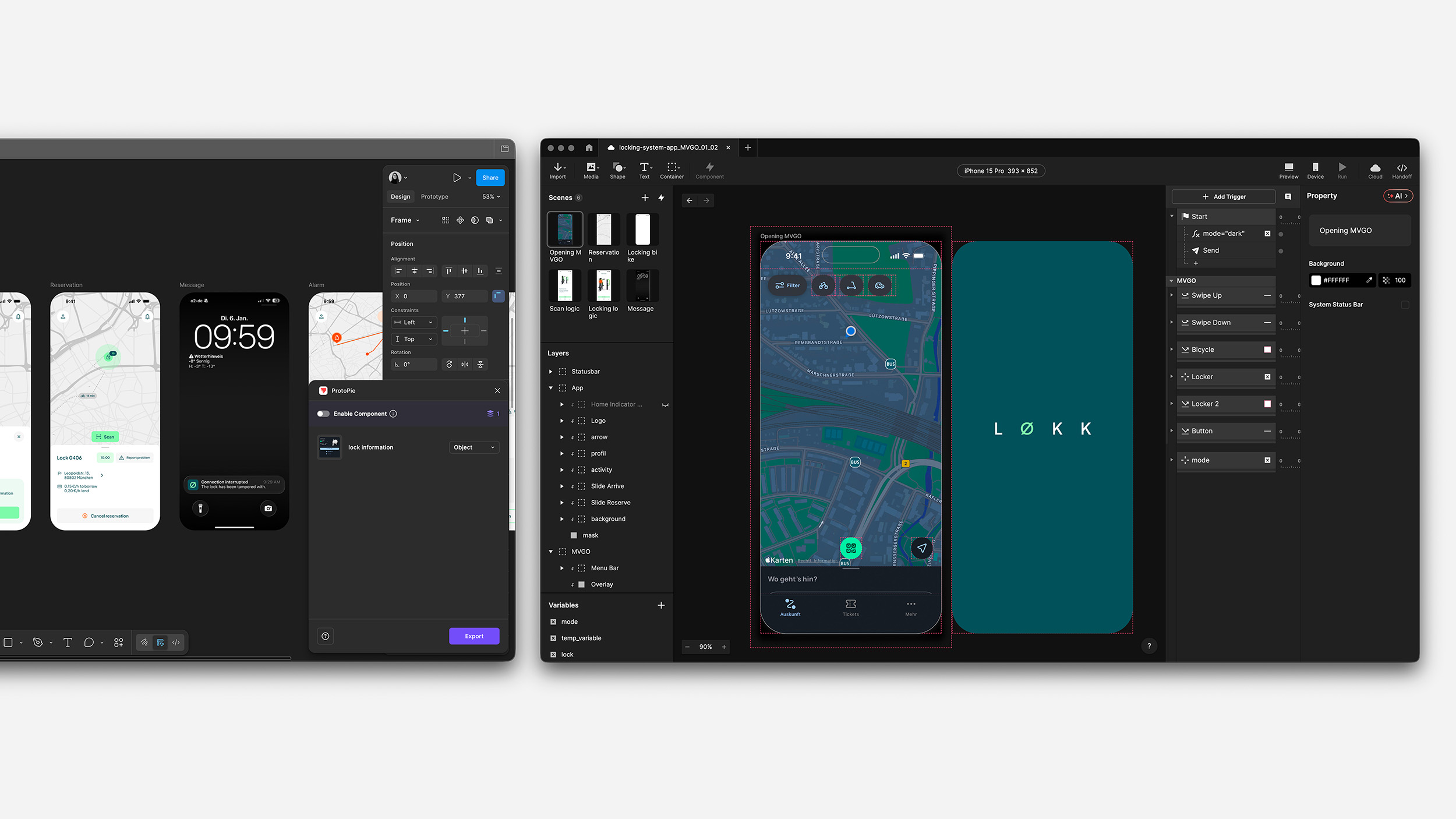
Prototyping the interaction flow in ProtoPie
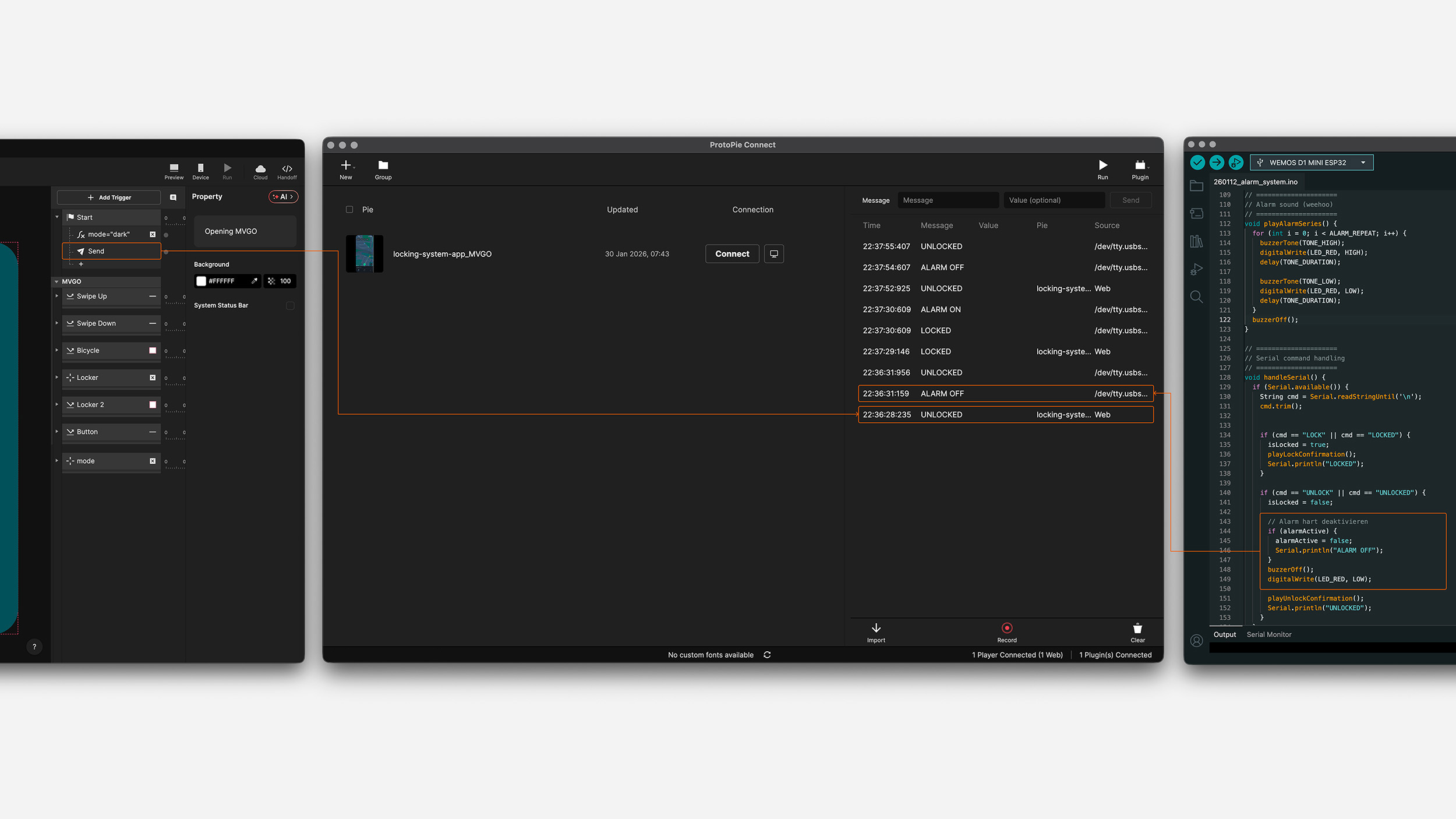
Real-time communication between app and hardware
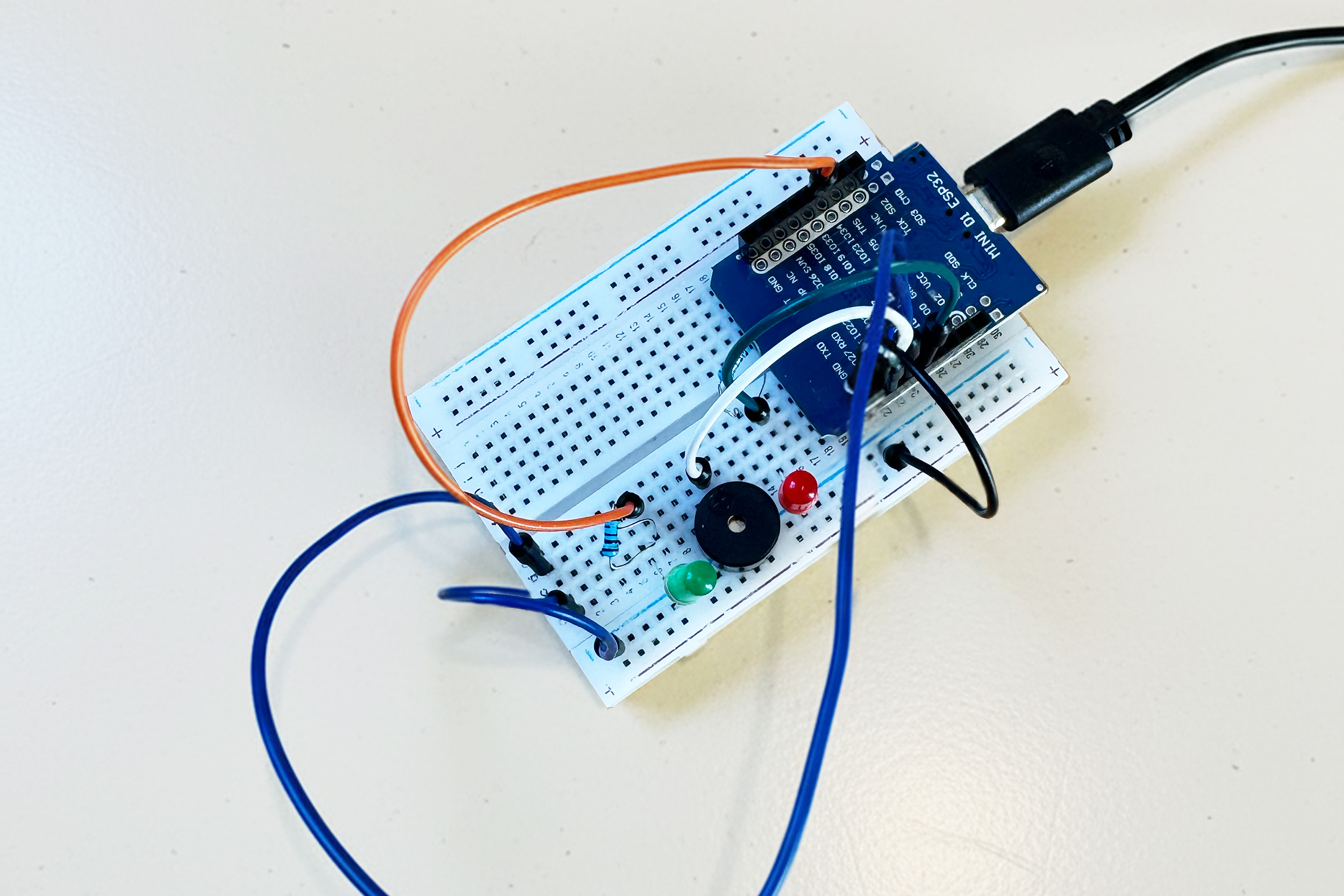
Arduino-based prototype to simulate system feedback and alarm behavior
How can the physical design support a seamless and intuitive user experience?
Product Design
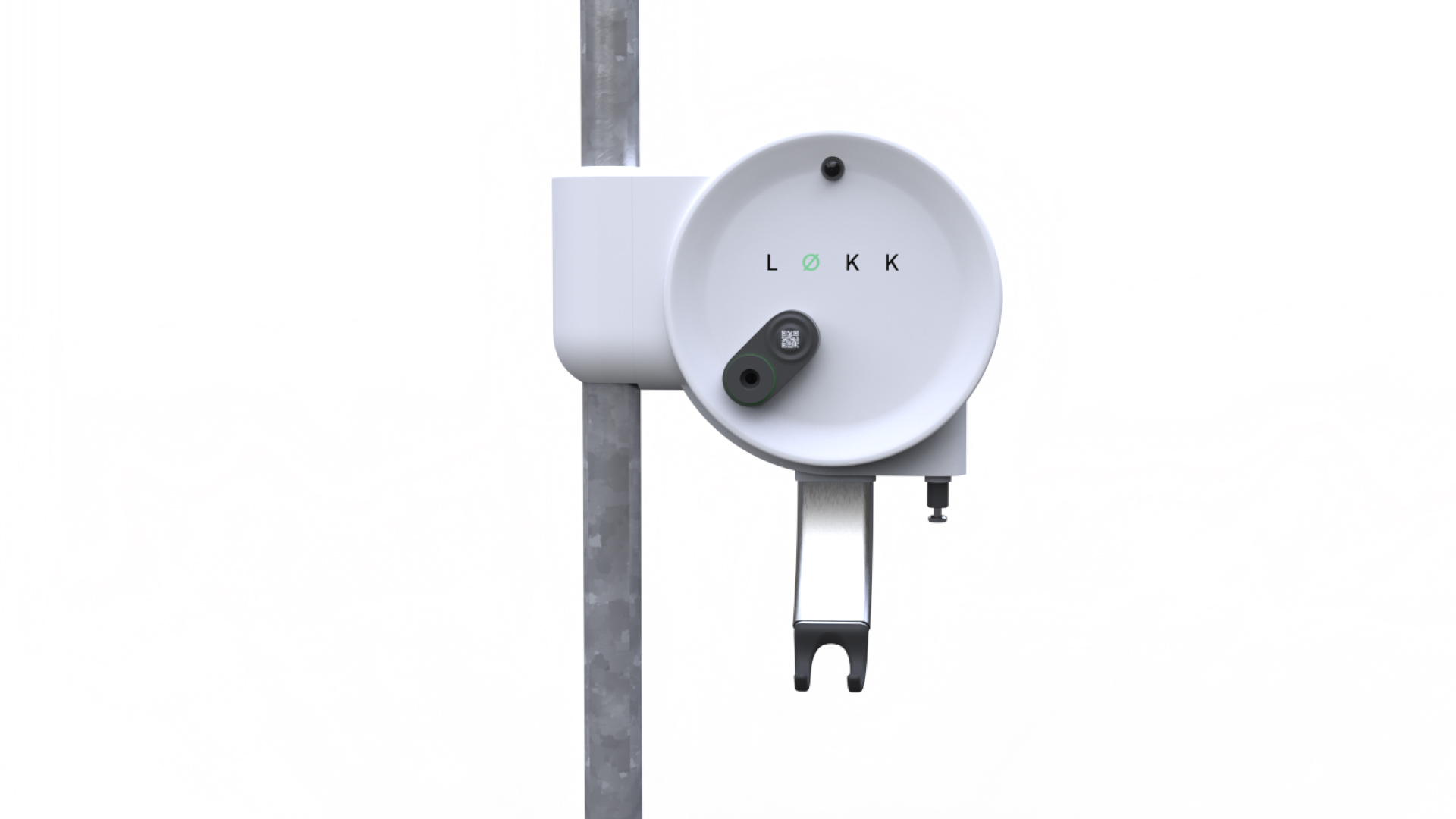
Clear and intuitive form
Renderings by Julian Kühne
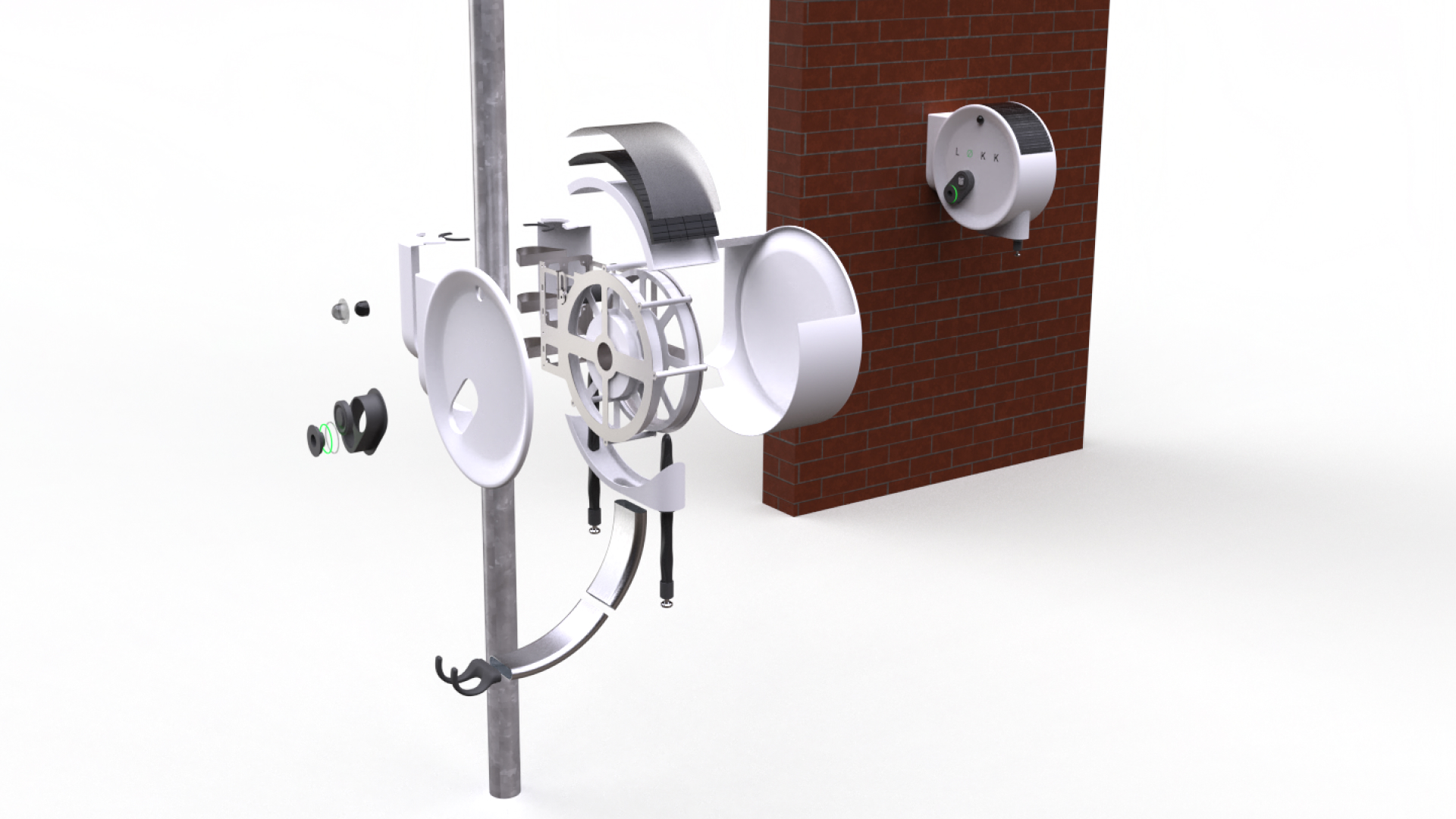
Modular system design
A Robust and Integrated System
System Functionality
LØKK is designed as a robust and integrated system tailored to the demands of urban environments. The housing is made of durable polypropylene with a rounded form that minimizes potential anchor points and increases resistance to tampering.
At its core, the system combines a hardened iron chain enclosed in a multi-layered nylon sleeve, providing both flexibility and high security. The chain can be extended up to three meters, allowing users to secure all relevant parts of their bicycle with ease. A spring-loaded arm at the bottom ensures a defined distance between bike and infrastructure, improving both handling and stability.
At its core, the system combines a hardened iron chain enclosed in a multi-layered nylon sleeve, providing both flexibility and high security. The chain can be extended up to three meters, allowing users to secure all relevant parts of their bicycle with ease. A spring-loaded arm at the bottom ensures a defined distance between bike and infrastructure, improving both handling and stability.
Interaction points are intentionally grouped to create a fast and intuitive user flow. The locking mechanism is positioned in the lower area, while the camera module and feedback elements are placed above, ensuring visibility and clear system communication during use.
To enhance security, LØKK integrates a camera-based monitoring system combined with an alarm function, allowing real-time detection of potential interference.
The system is designed for long-term outdoor use and energy autonomy. Integrated solar panels provide sustainable power, while an internal battery ensures reliable operation even during extended periods of low sunlight.
Thanks to its modular construction, LØKK can be mounted on various urban elements such as lamp posts or walls. The internal structure is easily accessible, enabling efficient maintenance and repair, and supporting long-term scalability within city infrastructures.
To enhance security, LØKK integrates a camera-based monitoring system combined with an alarm function, allowing real-time detection of potential interference.
The system is designed for long-term outdoor use and energy autonomy. Integrated solar panels provide sustainable power, while an internal battery ensures reliable operation even during extended periods of low sunlight.
Thanks to its modular construction, LØKK can be mounted on various urban elements such as lamp posts or walls. The internal structure is easily accessible, enabling efficient maintenance and repair, and supporting long-term scalability within city infrastructures.
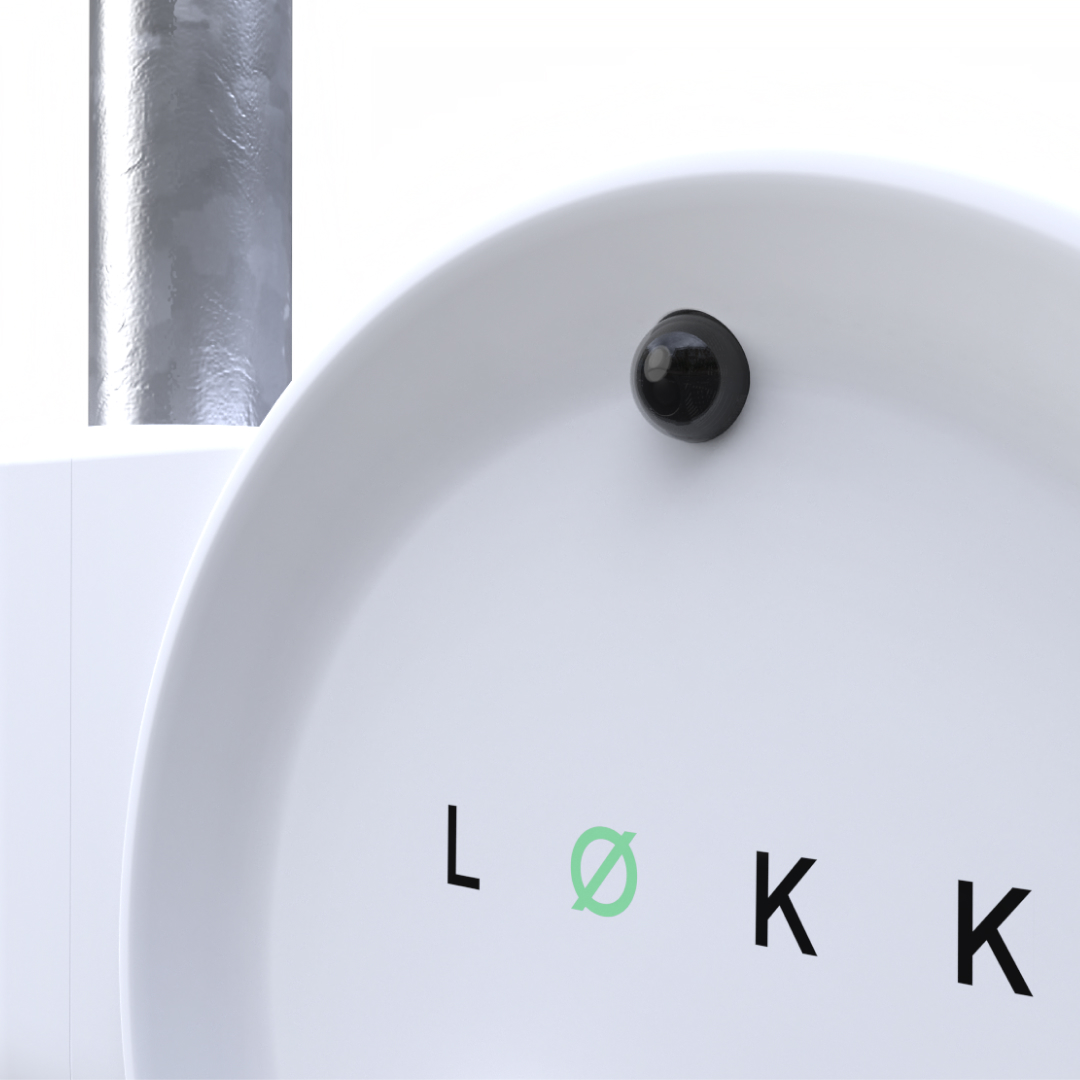
Integrated camera for continuous monitoring
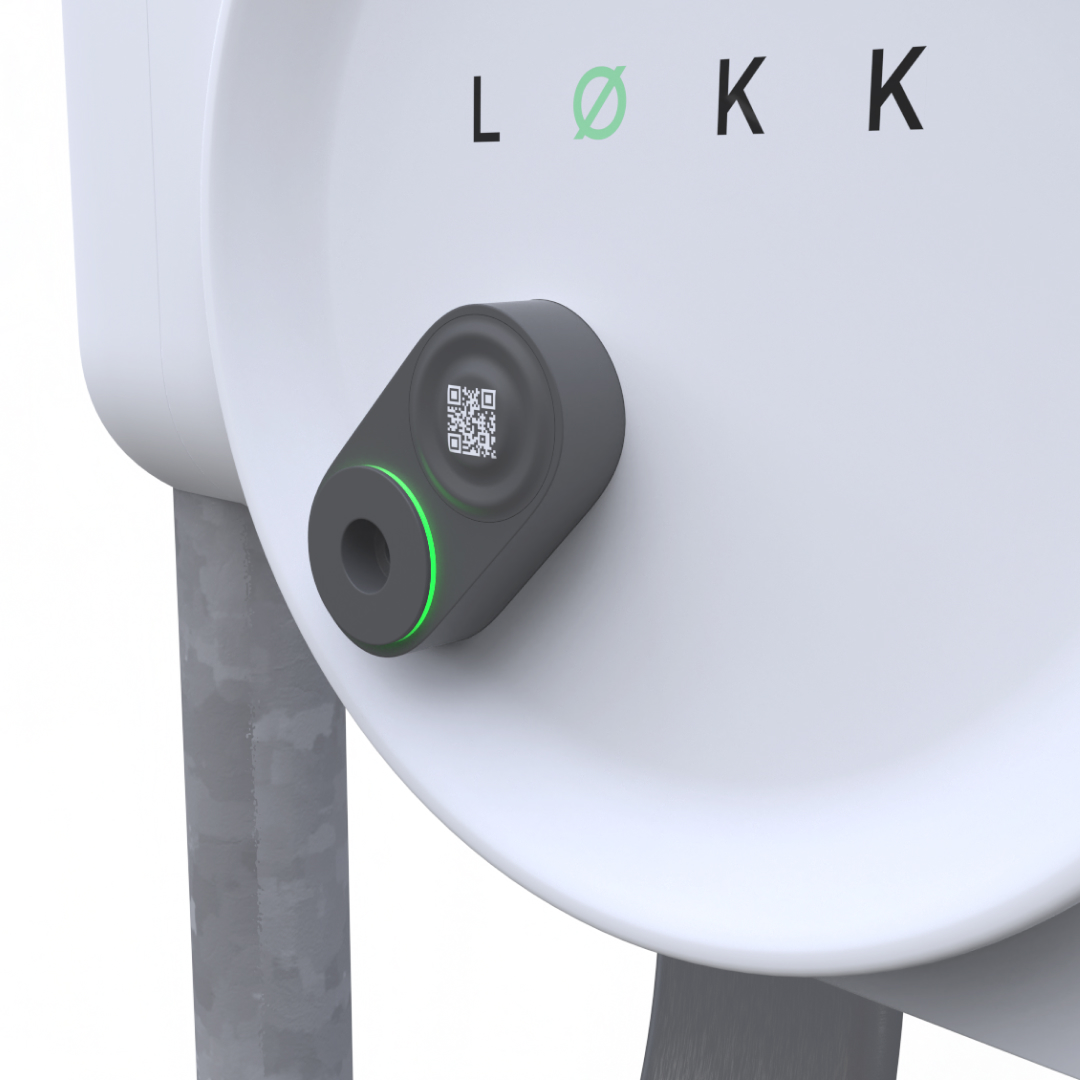
Clear interaction point with QR-based access
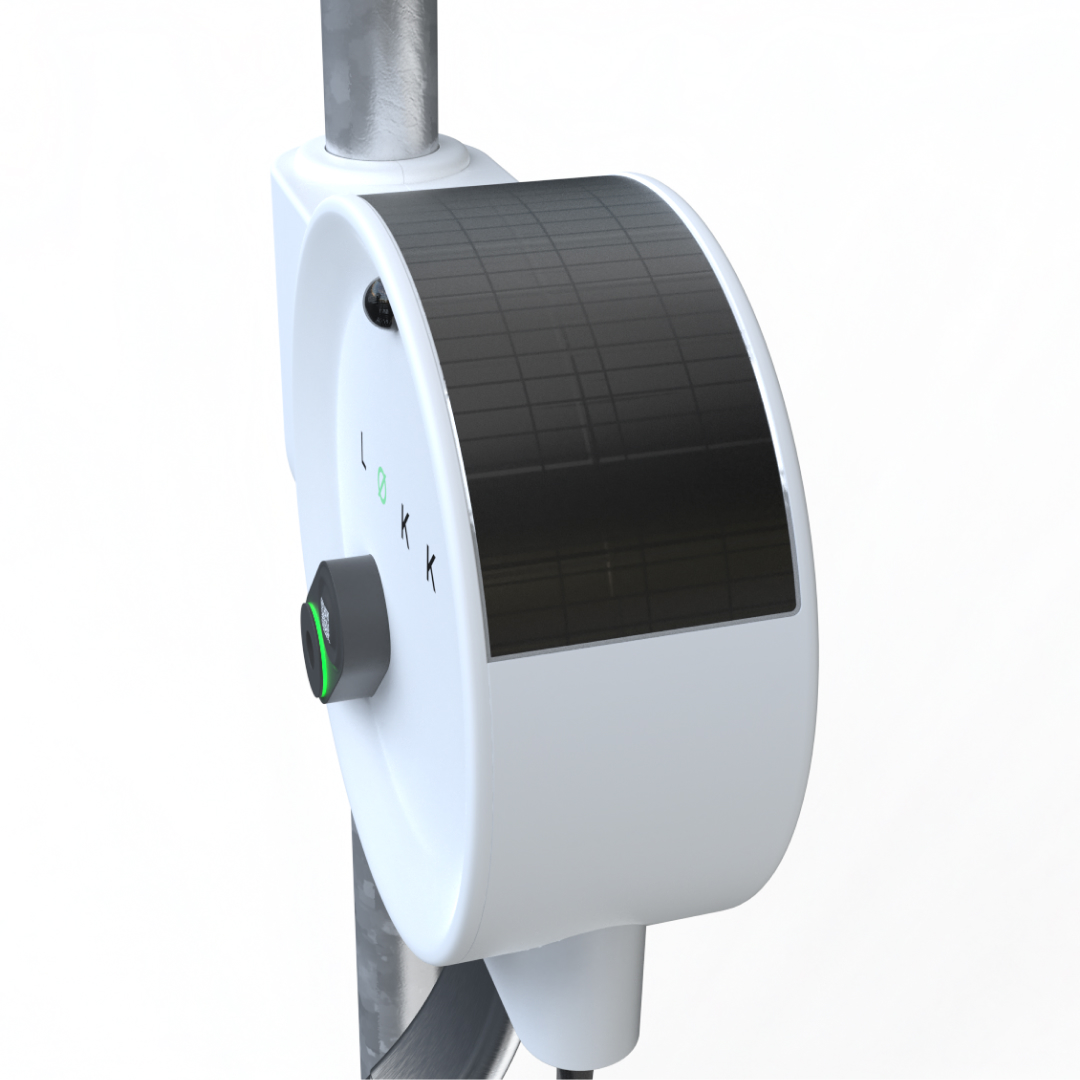
Solar-powered for autonomous operation
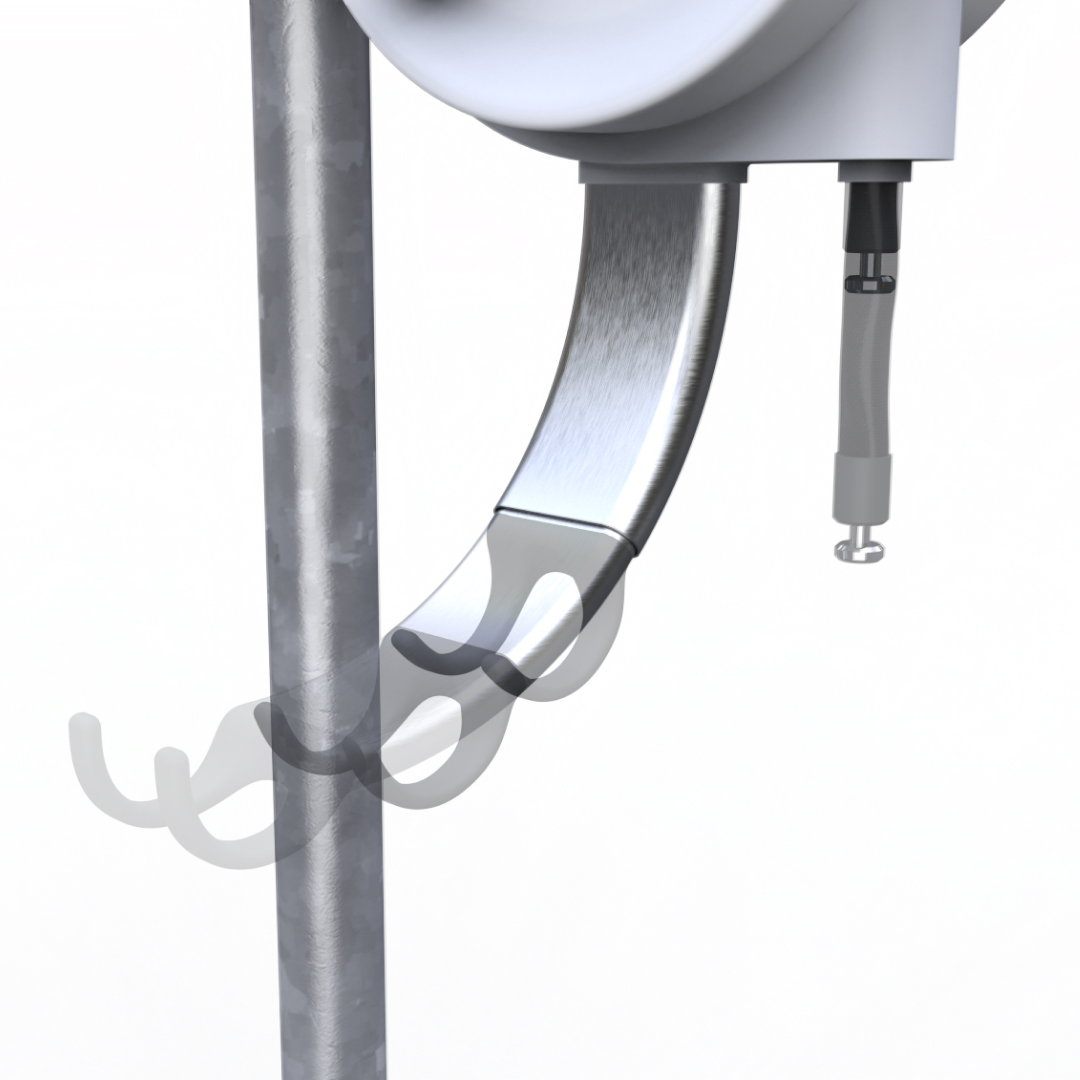
Flexible chain enables secure locking
Corporate Design
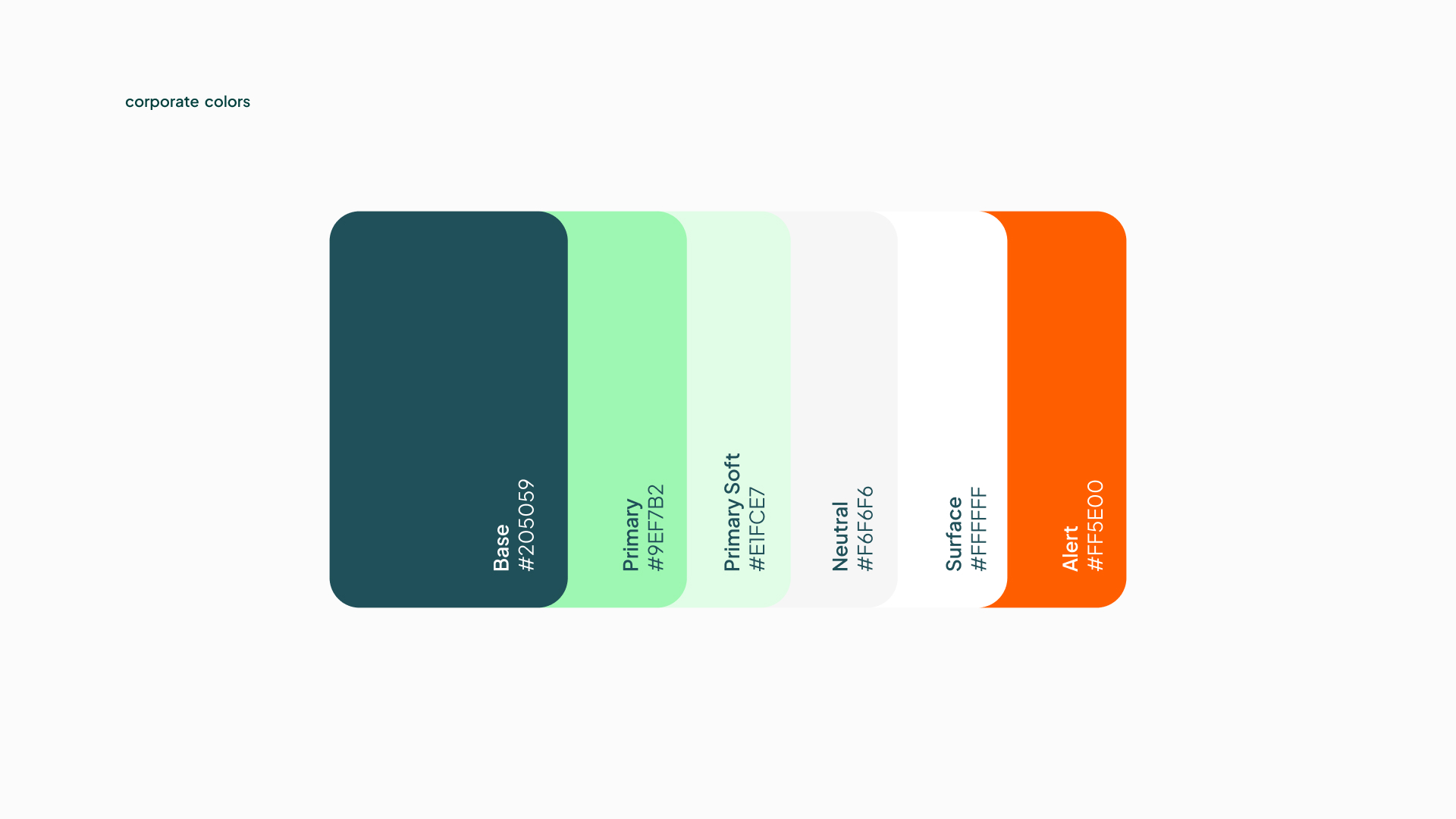
A visual system for urban infrastructure

Logo of LØKK

Integration into urban infrastructure
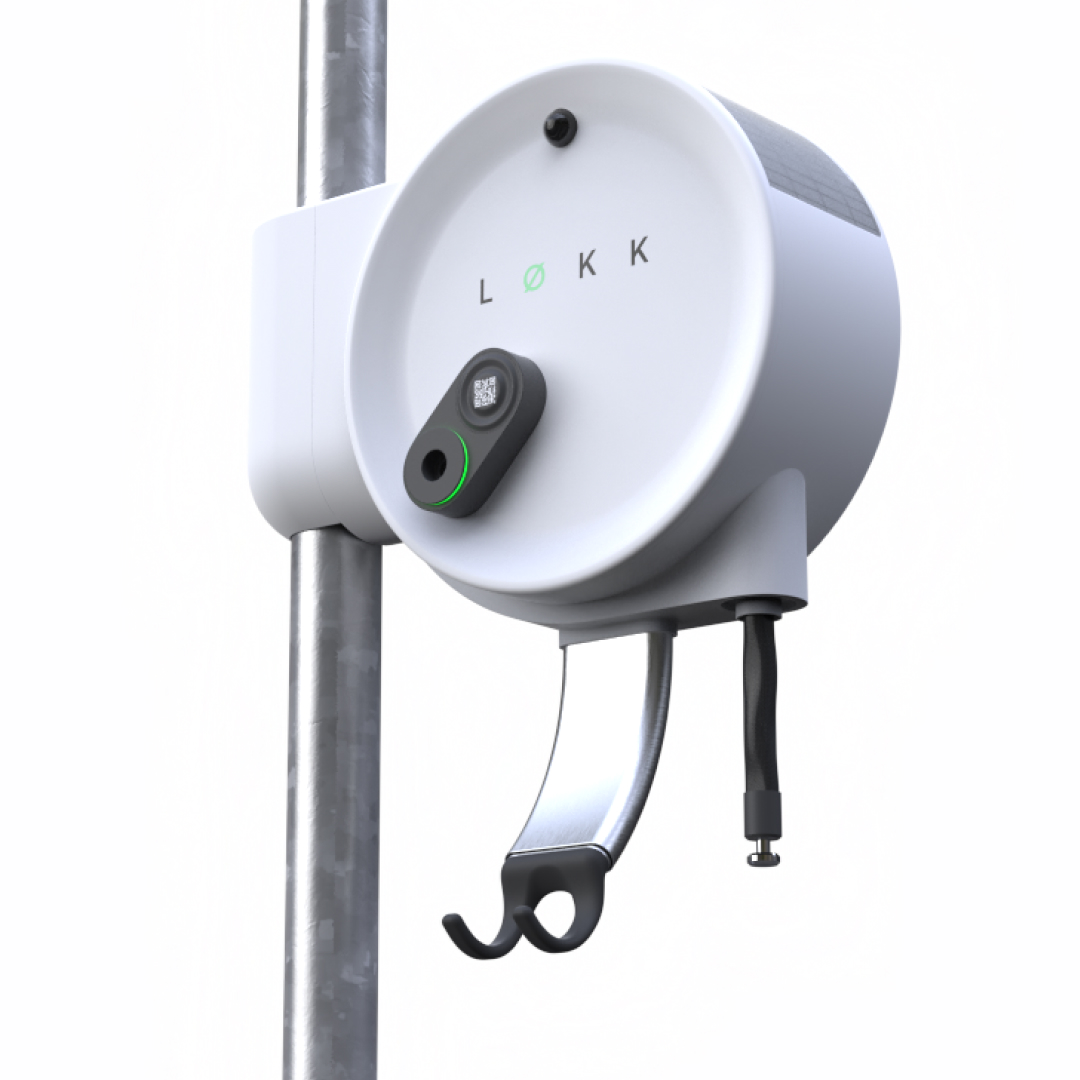
LØKK bicycle lock
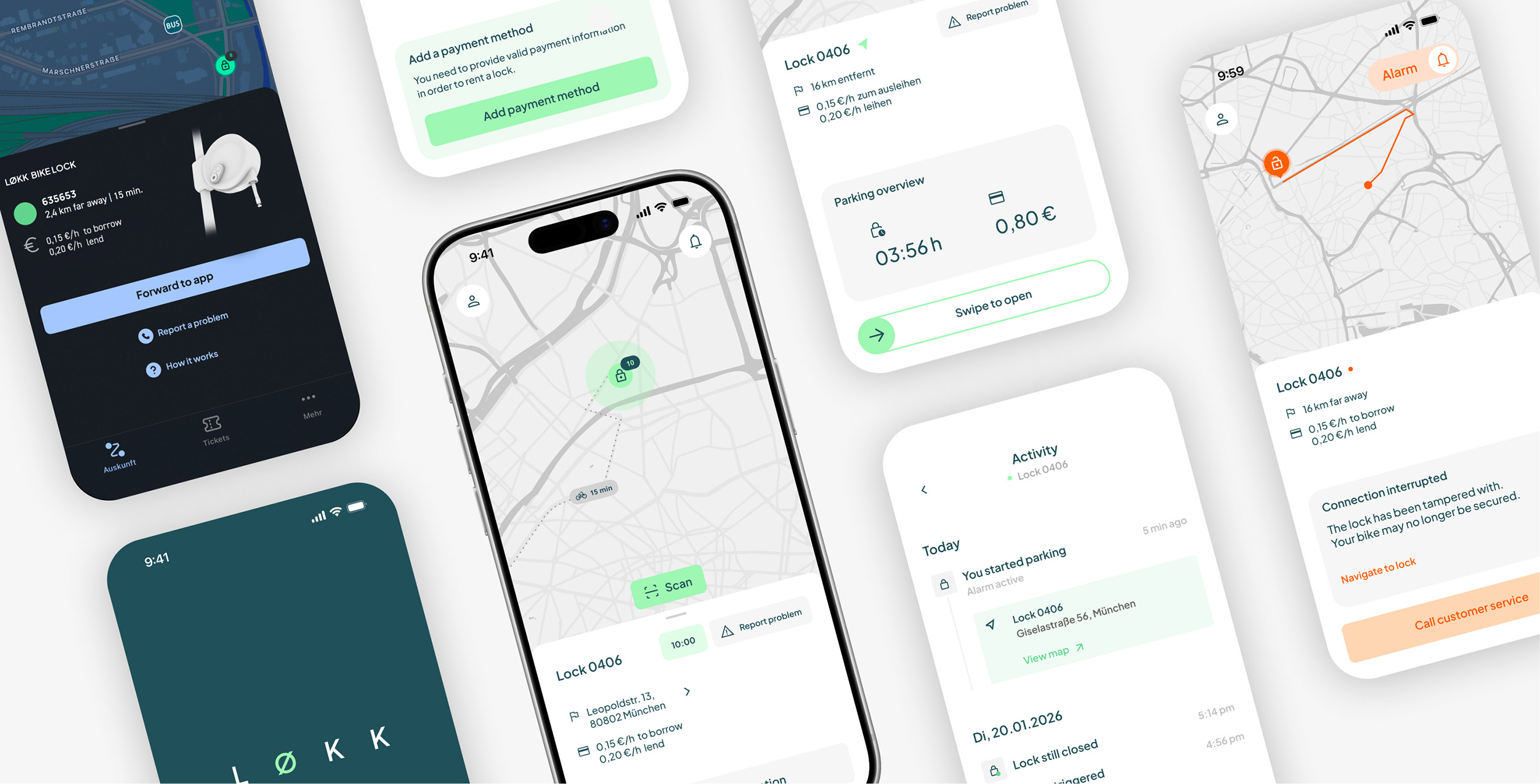
LØKK UI application screens
Future Potential
LØKK is designed as a scalable system that can be integrated into existing urban infrastructure and expanded across different city contexts. By building on existing elements such as lamp posts, the concept allows for a flexible and cost-efficient rollout.
Future developments could include a connected network of locking points and integration with mobility services.
Beyond its immediate function, the project opens up a broader perspective on how urban infrastructure can evolve into connected, user-centered services. LØKK illustrates how combining physical and digital design can contribute to more accessible, reliable, and sustainable mobility systems.
Future developments could include a connected network of locking points and integration with mobility services.
Beyond its immediate function, the project opens up a broader perspective on how urban infrastructure can evolve into connected, user-centered services. LØKK illustrates how combining physical and digital design can contribute to more accessible, reliable, and sustainable mobility systems.
Software
Prototyping
Coding
UI Design & Low-fidelity Prototype
Figma
Hardware & Prototyping
Arduino IDE, ProtoPie, ProtoPie Connect
Credits
Team
UI Design, Visual Design, Prototyping
Anja Gutmann
3D, Industrial Design
Julian Kühne
Concept, Reserach, Testing
Felix Blum
Business, Strategy
Marc Wilhelm
Strategy, Prototyping, Coding
Teresa Wilhelm
Information
Supervising Professors
Institution
Chair for Design and Transdisciplinarity
Executive Director of the Munich
Design Institute
Executive Director of the Munich
Design Institute
Prof. Anette Diefenthaler
Research Associate
Doctoral candidate
Doctoral candidate
Tobias Löhe
Technical University of Munich
Munich